Discover simple baby care in monsoon skin hygiene and safety tips to keep your infant dry, rash-free, and safe. Easy guide for new parents in rainy days.
When the monsoon arrives, the rain brings cool breezes and much-needed relief from hot summer days. However, rainy weather also brings humidity, sticky air, and unwanted dampness. For a small baby with delicate skin, this sudden change in weather can sometimes trigger rashes, sticky skin, and seasonal discomfort.
As parents, taking care of a baby during rainy days does not have to feel overwhelming. Learning a few clear, real-life practices for Baby Care in Monsoon: Skin, Hygiene and Safety Tips makes it easy to keep your little one smiling, dry, and cozy through every downpour.
Here is an easy, step-by-step guide filled with practical advice to help you care for your baby comfortably this rainy season.
 1. Skin Care: Keeping Your Baby's Skin Dry and Happy
Monsoon humidity makes babies sweat in hard-to-reach folds like their neck, thighs, and armpits. Keeping these areas clean and completely dry is the secret to avoiding red, itchy bumps.
Simple Bathing Tips
You do not need to give your baby a long bath every single day during the rainy season, especially when the weather turns cooler. Bathing 3 to 4 times a week with warm water is plenty. On other days, take a soft towel dipped in warm water and give your baby a gentle wipe.
Preventing Diaper Rashes
Diaper rash happens quickly when humid air meets wet diapers. To maintain good monsoon baby skin hygiene, check your baby's diaper frequently and switch to a fresh one as soon as it feels damp. Give your baby 15 to 20 minutes of "diaper-free time" every day so fresh air can reach their skin.
Clothing & Environment: Dressing Right and Staying Fresh
Your baby's clothes are very important to their comfort level during a rainy day. The right fabric keeps sweat out and maintains the body's temperature.
Pick Soft Cotton Clothes
For newborn baby care in monsoons, always opt for light and loose cotton clothes. Cotton allows skin to breathe easily and absorbs sweat quickly. Stay away from synthetic and tight-fitting clothing as it will prevent heat from dissipating from the baby's body and cause small sweat rashes.
Make Sure Clothes Are Completely Dry
Drying laundry can be tough when it rains continuously. Never put clothes on your baby if they feel even slightly damp or cool to the touch. Damp cloth breeds mold and germs.
If your clothes are drying indoors, run a warm iron over them before dressing your baby. This removes leftover moisture and leaves fabrics soft and cozy.
 2. Safety & Hygiene: Keeping Bugs and Germs Away
Puddles and damp corners outside mean more mosquitoes and bugs around the house. A few basic safety steps will protect your baby's room and health.
Easy Mosquito Protection
Mosquito bites cause itchiness and can carry seasonal fevers. To ensure monsoon mosquito protection for infants, use a lightweight mosquito net over cribs and strollers.
Put fine screens on windows and close balcony doors in the evening. Avoid using harsh chemical sprays or plug-in repellents right near small babies. Full-length cotton suits work best to cover their arms and legs safely.
Keep the Room Fresh and Clean
Keep your baby’s room well-ventilated so damp air does not get trapped. Ensure fans are not blowing directly on your baby’s face, and keep them away from cold air-conditioner vents.
Check balconies and pots nearby to make sure there is no standing water where mosquitoes can lay eggs.
Make Sure Your Hands Are Clean—and Everyone Else's Too
Babies enjoy putting their hands in their mouths. Have family members, guests and caregivers wash their hands well with soap and water before handling the baby.
Ask family members to be patient until they are recovered from a cold, cough or flu before cuddling the little one.
 3. Simple Feeding and Hydration Rules
A healthy tummy equals a healthy baby. Extra efforts to keep feeding and watering equipment clean and clean water away helps prevent stomach bugs in rainy seasons.
Breastfeed Often
Infants under six months get adequate fluid from breast milk and natural antibodies to ward off common infections during the monsoon season.
Water for Drinking
If your baby is drinking water or formula milk, always boil water for a few minutes before using in formula or water for drinking.
Sterilise Bottles Daily
Wash feeding bottles, teats and spoons with warm water and boil/steam sterilise after each feed to destroy germs.
Fresh Meals for Older Babies
If your baby has begun solid foods (after 6 months), cook and warm up foods such as khichdi or mashed fruits or vegetable purees. Don't distribute surplus food items that have been left out in damp air.
Conclusion
Taking care of your infant during rainy months comes down to keeping things dry, clean, and simple. By choosing light cotton clothes, changing diapers on time, keeping mosquitoes out, and keeping feeding bottles squeaky clean, you can easily protect your child from rainy season troubles.
Remembering these easy ideas for Baby Care in Monsoon: Skin, Hygiene and Safety Tips will give you peace of mind so you and your baby can enjoy the cozy rainy days together.
If you ever feel uncertain about a rash or a sudden fever, always reach out to your pediatrician for guidance.
Frequently Asked Questions (FAQs)
Q1: How many times should I bathe my baby during the rainy season?
Answer: Bathing should be done 3-4 times a week with lukewarm water. Other days, all you need to do is gently wipe your baby with a warm damp soft towel.
Q2: How can I prevent diaper rash when it is humid?
Answer: Change nappies as soon as they get wet, allow your baby to be nappy free for a short time each day, and use a light diaper rash cream.
Q3: How to dress baby during the monsoon season?
Answer: Clothes that are soft and loose are best. They are absorptive and allow air to flow freely to keep skin dry.
Q4: What should I do to keep my baby safe from mosquito bites in rains?
Answer: Cover crib with mosquito net, dress their arms and legs with light cotton clothing, and screen windows.
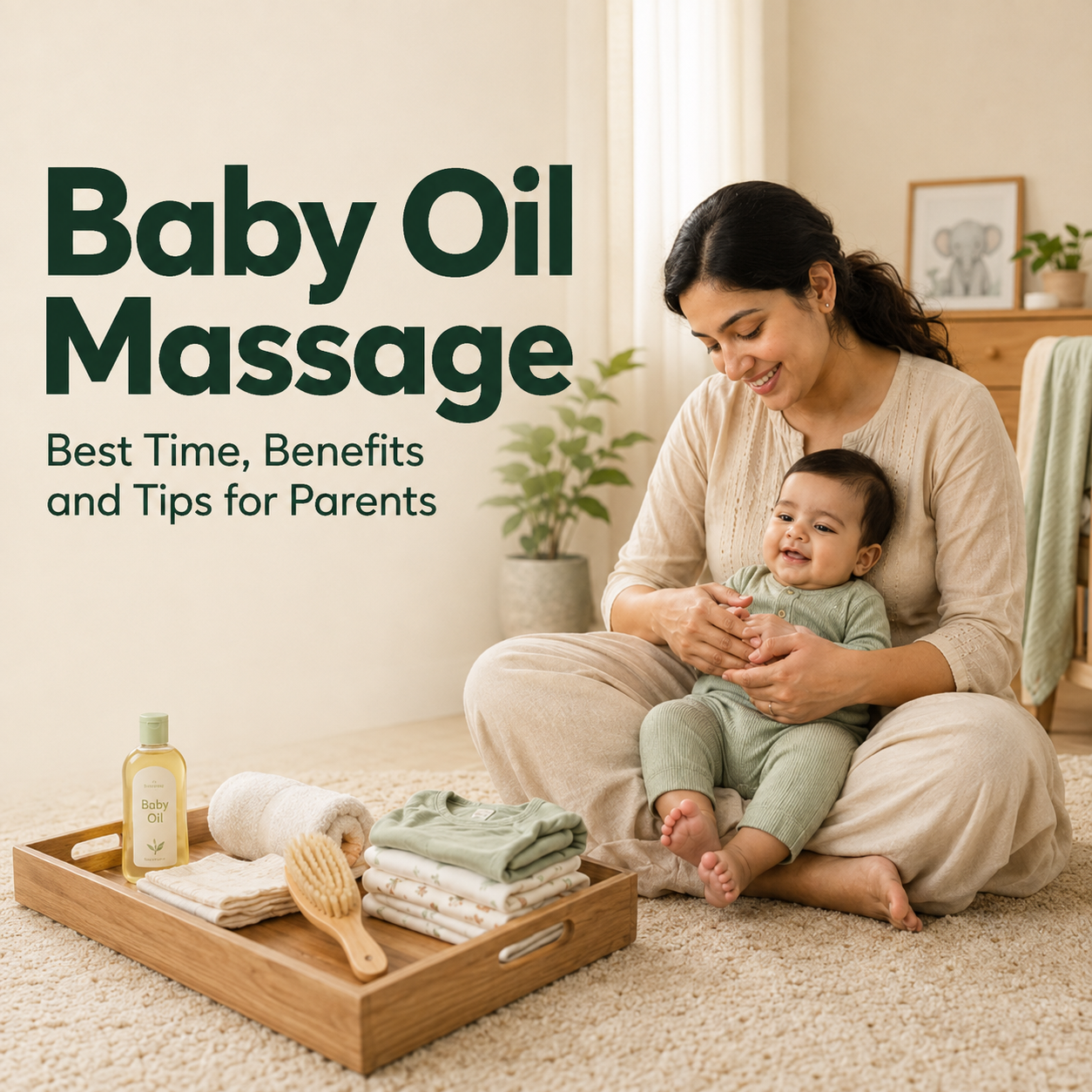
Q5: Should I massage my baby in the rain?
Answer: Yes, but with a light oil, such as coconut oil. Clean it during bath time to ensure that pores of the skin do not get clogged.
Q6: When should I take my baby to a doctor for a rash?
Answer: If the rash becomes bright red, spreads fast, looks painful, or comes with a fever, visit your pediatrician right away.