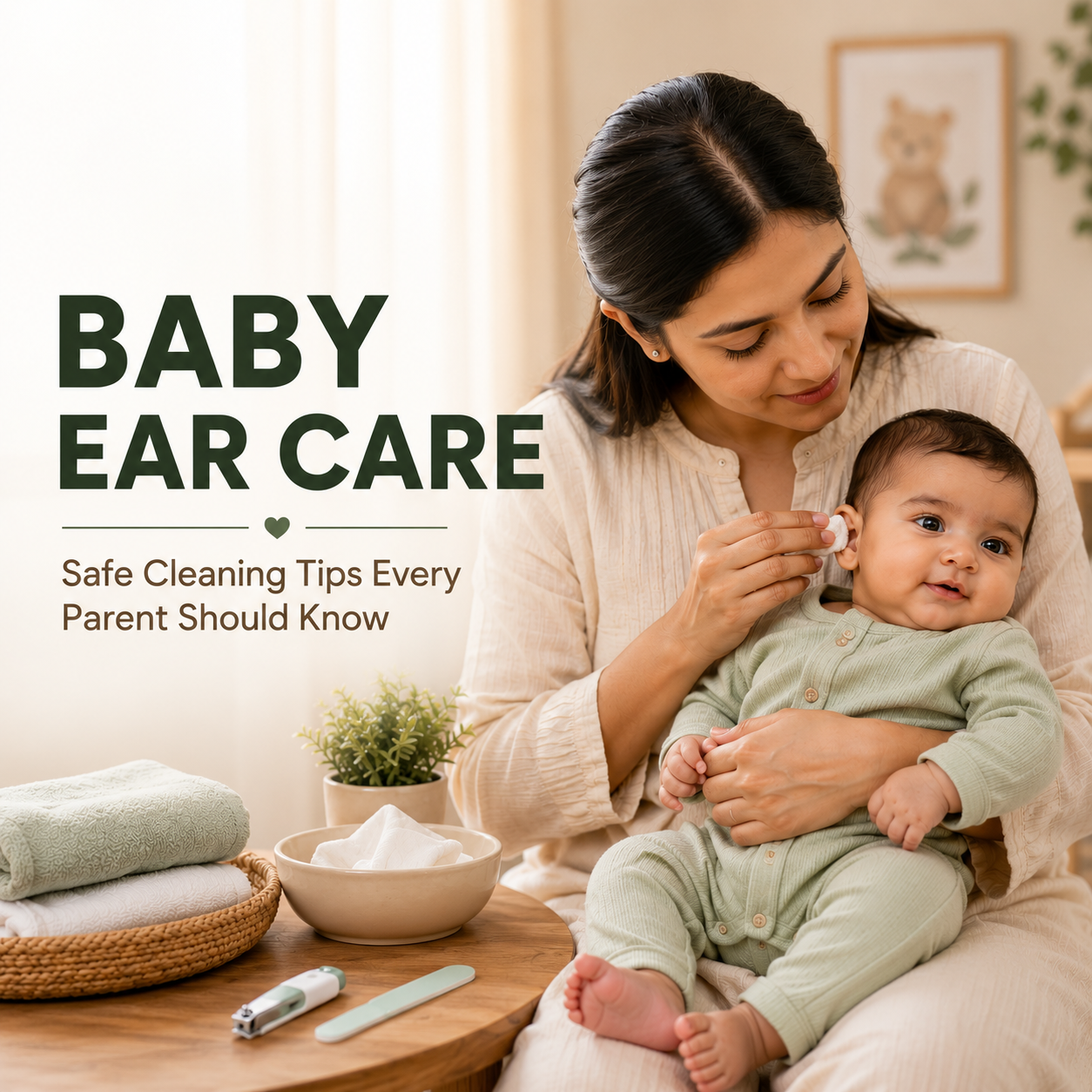
Welcoming a newborn into your home brings endless moments of joy, along with a few surprising learning curves. Among the daily routines of feeding, diaper changes, and nap schedules, pay close attention to your infant's skin health. Understanding Baby Scalp Care: How to Keep Your Baby’s Scalp Healthy helps prevent discomfort, keeps cradle cap under control, and protects your baby's skin barrier right from the start.

1)Why Your Baby’s Scalp Needs Special Attention
A newborn's skin is vastly different from ours. In fact, an infant’s skin barrier is up to 30 percent thinner than an adult’s. Their bodies are still figuring out how to regulate temperature, and their tiny oil and sweat glands are just getting started. Because of this, their scalps lose moisture fast.
A sudden cold draft, harsh winter heating, synthetic fabrics, or even slightly scented soaps can leave your baby’s head dry, red, or flaky almost overnight.
Taking time to care for their scalp isn’t just about washing fine hair. A gentle routine acts as a shield against common infant skin issues like cradle cap, eczema, and itchy heat rashes—all without disturbing those delicate, growing hair follicles.

2)A Simple, Stress-Free Bath Time Routine
You don't need a shelf full of fancy products or a complicated ten-step routine to keep your baby’s scalp healthy. When it comes to newborn skin, less is almost always more.
-
Test the water first: Keep bath time warm and cozy, never hot. The easiest way to check is by dipping the inside of your wrist or elbow into the tub. If it feels warm and comfortable on that thin skin, it’s just right for your baby.
-
Stick to ultra-mild cleansers: Look for fragrance-free, tear-free baby
washes. Skip anything loaded with heavy scents, sulfates, or artificial dyes. These harsh additives strip away the natural oils your baby’s skin works so hard to make. -
Use the soft pads of your fingers: Squirt a tiny, pea-sized dot of wash onto your wet hands and work up a gentle lather. Rub it onto their head using slow, circular movements with the soft pads of your fingers. Keep your touch super gentle, especially over the fontanelles (the soft spots on top of their skull).
-
Rinse every last drop: Spend an extra minute floating warm water over their head to clear away all the lather. Soap left behind is one of the biggest culprits behind dry, itchy scalps.
-
Pat dry gently: Wrap your baby in a soft towel straight out of the tub and gently press it against their head. Avoid rubbing or scrubbing, as friction can easily irritate delicate skin.

3)What to Do About Cradle Cap
If you notice thick, yellowish, or crusty patches on your baby’s scalp around 2 to 10 weeks of age, don't panic. This is cradle cap (known medically as infant seborrheic dermatitis).
First, take a deep breath: cradle cap is super common, completely harmless, and doesn't bother your baby at all. It isn't caused by poor hygiene or allergies. It simply happens because hormones passed along before birth temporarily put your baby's oil glands into overdrive, making dead skin cells stick together instead of shedding normally.
While it usually clears up on its own, here is how you can gently manage it at home:
-
Brush while dry: Before bath time, take a soft-bristled baby hairbrush or a flexible silicone scrubber and gently brush the scalp in small circles. This helps loosen crusty flakes without scratching tender skin.
-
Soften scales with a little oil: If the buildup feels stubborn, massage a few drops of pure coconut oil or mineral baby oil onto the patches about 15 minutes before bathing. This softens the crusts so they wash away easily.
Just make sure to wash the oil out thoroughly with baby shampoo during their bath—leaving oil on the scalp can block pores and make flaking worse. -
Resist picking: As tempting as it can be to pick off loose flakes, leave them alone. Picking can pull out healthy fine hair, tear raw skin, and lead to mild infections.
Summary
Taking care of your newborn's skin comes down to patience, gentle handling, and choosing mild products. By keeping wash routines balanced, brushing softly, and avoiding harsh ingredients, you provide a clear path for soft, healthy growth. Whenever you notice persistent inflammation, fluid, or spreading irritation, rely on your pediatrician for tailored medical advice. Master Baby Scalp Care: How to Keep Your Baby’s Scalp Healthy today so you and your baby can focus on happy, comfortable bonding time.
Frequently Asked Questions (FAQ)
1)How often should I actually wash my baby's hair?
A)Two to three times a week is plenty. Newborns don't sweat or get dirty like toddlers do, and washing their hair daily will strip away natural oils and make dryness worse.
2)Can I just use olive oil from the kitchen?
A)It’s actually best to avoid olive oil on newborn skin. Olive oil contains high levels of oleic acid, which can break down the skin’s delicate moisture barrier over time. Stick to pure coconut oil or mineral-based baby oil instead.
3)Is cradle cap contagious?
A)Not at all. You can't pass it back and forth, and it won't spread to other family members or kids.
4)Will my baby lose hair from this?
A)You might notice a few fine hairs shedding alongside falling flakes, but don't worry. This is completely temporary, and healthy hair will fill back in once the skin clears up.
5)How long does it take to go away?
A)Most babies outgrow cradle cap entirely within a few weeks to a few months, and almost all clear up before their first birthday as their oil production balances out naturally.