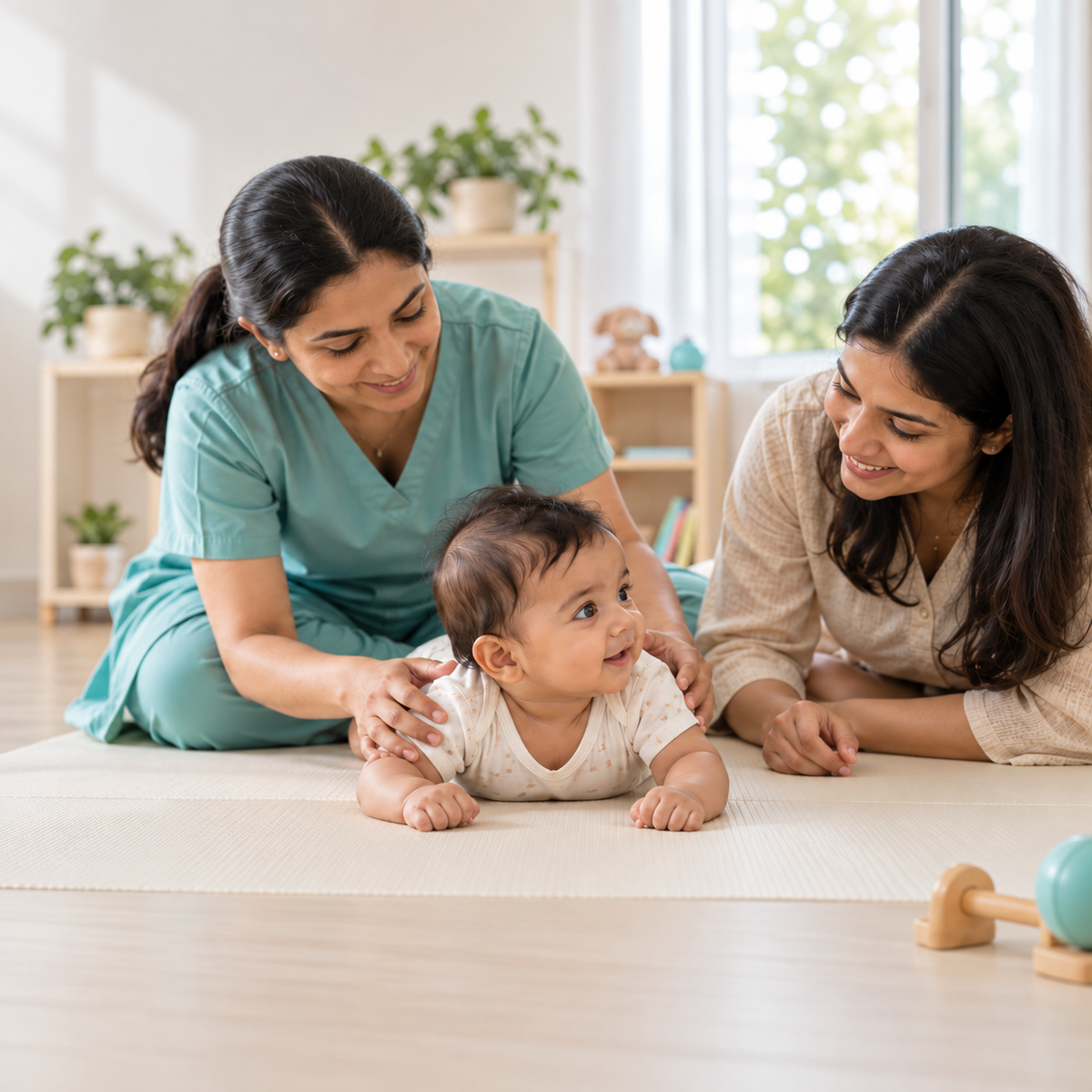

 Your baby used to smile at everyone, and suddenly they cry when a relative leans in for a hug. If this sounds familiar, you are probably seeing baby stranger anxiety, a normal and healthy stage of development. It can feel awkward in a family where everyone wants to hold the baby, but understanding it makes it much easier to handle.
 What Is Stranger Anxiety in Babies?
Stranger anxiety is the distress some babies show around unfamiliar people. They may cling to you, turn their face away, go quiet, look worried or cry when a stranger approaches or tries to pick them up.
It does not mean your baby is shy forever, nor does it mean you have spoiled them. It usually shows that your baby has formed a strong bond with their main caregivers and can now tell the difference between familiar and unfamiliar faces.
When Does Stranger Anxiety Start?
Many babies begin to show signs somewhere between six and nine months, though the timing varies. Some babies show wariness earlier, and some barely show it at all. For many, it becomes more noticeable around eight to ten months, and it often eases gradually as the child grows into toddlerhood.
Every baby is different. Personality, family environment, how often they meet new people and recent changes at home can all influence how strongly the reaction appears.
Why It Happens
Around the middle of the first year, several developmental changes come together:
-
Memory improves, so babies recognise familiar faces more clearly
-
They become more aware that people they do not know are different
-
Attachment to parents and caregivers is deepening
-
Their world is getting bigger, with more movement and more sensory experiences
In other words, it reflects growing awareness, not a problem.
 Common Signs
-
Crying or fussing when a new person comes close
-
Hiding the face in a parent's shoulder
-
Stiffening, staring or going very still
-
Refusing to be held by relatives or visitors
-
Clinging more than usual
-
Becoming calm again as soon as a trusted caregiver takes over
The reaction is usually strongest with unfamiliar people, but some babies are also wary of relatives they see only occasionally.
How Parents Can Respond
Stay calm and close
Your baby looks to you for cues. If you stay relaxed, smile and use a warm voice around new people, your baby learns that the situation is safe.
Let your baby warm up slowly
Ask visitors to sit down, speak softly and avoid reaching out straight away. Letting a baby watch from the safety of your lap for a few minutes often makes a big difference. Rushing them tends to increase distress.
Offer a gentle introduction
Let the person say hello to you first, or hand the baby a toy from a distance. When your baby shows interest, the person can slowly come closer.
Respect your baby's signals
Do not force your baby to go to someone, even a grandparent or a favourite aunt. Explain kindly to family members that it is a normal stage. This also teaches your baby that their feelings are heard.
Keep routines predictable
Familiar routines, a favourite blanket or toy and a calm environment can help. Try to avoid introducing many new people at once, particularly during feeding or sleep times.
Practise short, positive exposure
Regular, low-pressure time around trusted people, such as family and friends who visit often, helps your baby gradually feel comfortable. Playdates and short outings can help, as long as your baby is not overwhelmed.
What Not to Do
-
Do not scold or tease your baby for crying
-
Do not hand the baby over quickly to prove they are fine
-
Do not sneak away when someone else is holding the baby, since this can increase worry
-
Do not feel guilty about holding your baby close
Stranger Anxiety vs Separation Anxiety
The two are related but not identical. Stranger anxiety is about unfamiliar people. Separation anxiety is distress when a parent or primary caregiver leaves. They often overlap in the second half of the first year, and a baby may show both at once. Short, loving goodbyes and a consistent routine help with both.
When to Check With a Doctor
Stranger anxiety is normal. Talk to your paediatrician if your baby:
-
Seems extremely distressed in a way that does not ease with comfort
-
Shows no interest in people at all, including familiar caregivers
-
Has lost skills they previously had
-
Is not making eye contact or responding to sounds or voices
-
Has other developmental concerns that worry you
A doctor can offer reassurance or check further if needed.
Conclusion
Stranger anxiety can be tiring for parents, especially when family and friends are eager to cuddle, but it is a sign that your baby is learning, bonding and noticing the world in new ways. Stay patient, give your baby time to warm up, and trust their signals. With calm support, baby stranger anxiety usually passes smoothly, leaving your child with a sense of safety and confidence that will help them meet new people later on.
Frequently Asked Questions
What age does stranger anxiety peak?
It often becomes strongest in the later part of the first year, and then gradually lessens in toddlerhood, though timing varies between children.
Is it normal for a baby to cry when anyone else holds them?
Yes, especially between six months and a year. Many babies prefer familiar caregivers during this stage.
Does stranger anxiety mean my baby is shy or insecure?
No. It usually reflects a healthy attachment and growing awareness. Many babies who show stranger anxiety grow up to be sociable.
How long does stranger anxiety last?
For many children it eases over several months, but some remain cautious around new people into the toddler years.
Should I avoid visitors during this stage?
There is no need to avoid visitors. Just introduce people gently and let your baby set the pace.