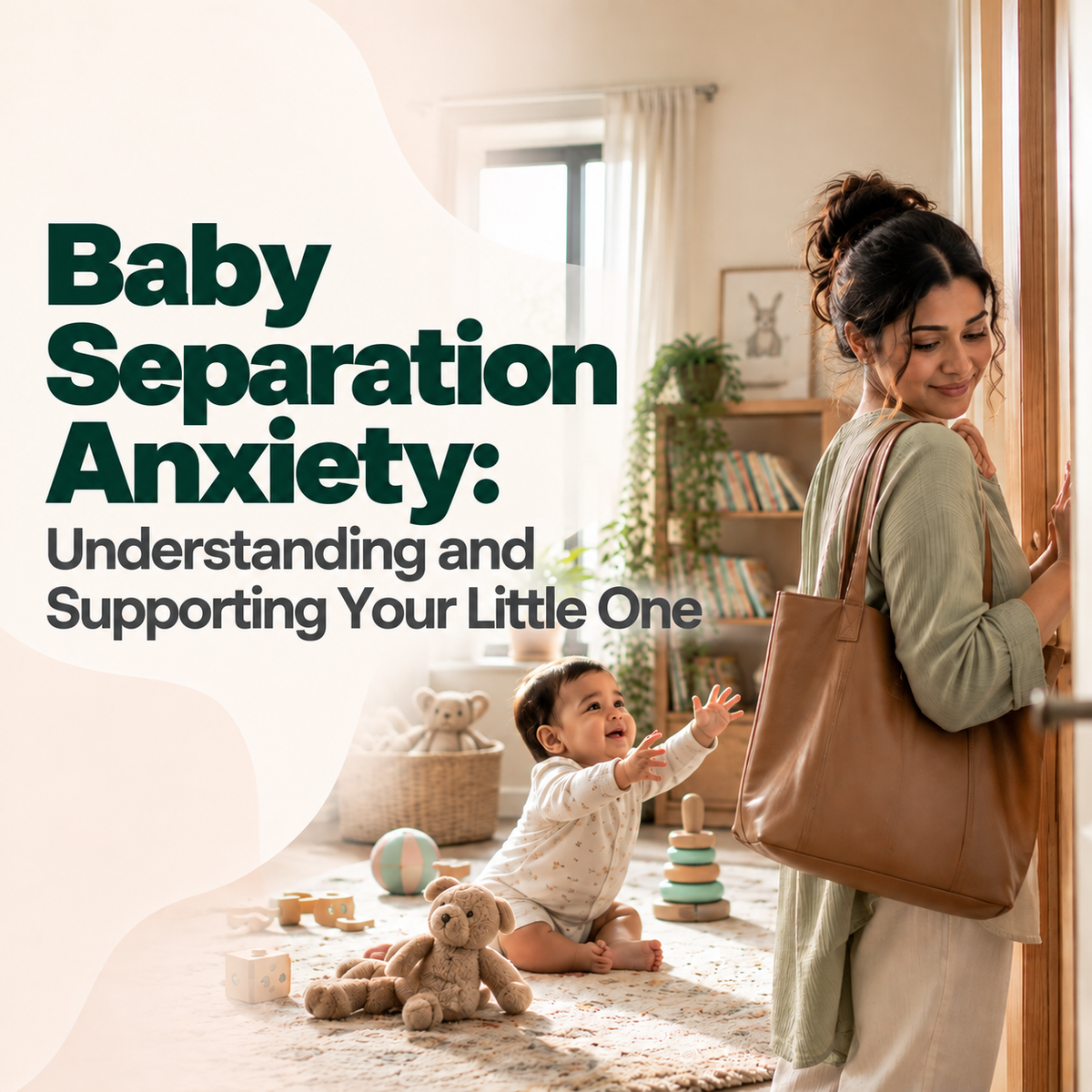
Bonding with your baby is not a single moment that happens all at once; it’s built gradually through thousands of small, everyday interactions that don’t feel significant on their own but add up to something meaningful over time. The good news is that bonding doesn’t need special equipment or elaborate activities. Some of the best bonding happens through simple, everyday moments.
 The importance of bonding in the first years
The bond between parent and baby is the foundation for a baby’s sense of security and trust in the world around him. Warm, responsive interactions during these early years promote your baby’s emotional development and help your baby feel safe as they explore their environment knowing that a trusted carer is nearby.
 Skin to skin contact
Holding your baby skin-to-skin, against your bare chest, is a simple but powerful way to bond and is especially valuable in the newborn stage. It is calming for babies, helping them to control their body temperature and heart rate, and equally important for parents, providing a quiet, close moment in the chaos of new parenthood.
 Talking and telling your day
Babies learn language long before they can talk, and just talking to your baby throughout the day – telling them what you are doing, describing objects, or just chatting during a nappy change – is great for language development and bonding. Your baby cares more about your tone, voice and attention than about what you say.
 Singing and soft rhythms
Singing to your baby, whether it’s a traditional lullaby or just humming a familiar tune, is a lovely bonding activity that combines your voice, gentle rhythm and closeness. Often the babies are very responsive to familiar songs, calming down or showing clear pleasure when they hear a tune they recognise as belonging to home.
 Eye contact while feeding
Feeding time, whether you are breastfeeding, bottle feeding, or later, spoon feeding solids, is a natural window for eye contact and connection. Several times a day you have the opportunity to bond. Make feeding time a time of focused attention, not a rushed task.
 Massage for babies
A gentle massage with baby-safe oil can be a daily routine and offers physical comfort for your baby and a special time to bond. Besides the soothing effects, the focused touch and attention during a massage session is an integral part of many Indian families’ everyday baby care routines.
 Responsive controls
When it’s time to play, follow your baby’s cues. Notice what they’re interested in, respond to their sounds and faces, and play at their pace. This helps them feel seen and heard, which is the foundation of secure attachment. You don’t even need structured activities. Often, just being there and paying attention during play is enough.
 Reading together long before they understand words
Even in the first few months, reading aloud to your baby introduces them to language, rhythm and closeness, while building an early association between reading and comfort. Board books with simple pictures work well for this so your baby can look at the pictures and you can read.
 Bonding opportunity at bath time
When bath time is done in a calm, unhurried way, it can become a favourite bonding ritual for many families. A gentle voice, soothing music, or even eye contact while bathing can turn an everyday task into a special bonding time.
 Involving both parents and family members
Although bonding is frequently discussed in relation to mothers, babies gain from developing safe attachments with several trusted caregivers, and fathers and other close family members gain just as much from these bonding activities. More opportunities for family bonding naturally arise when shared caregiving responsibilities are encouraged.
 Being present over being flawless
It's important to keep in mind that bonding is developed through regular, kind, everyday presence rather than elaborate gestures or flawlessly performed activities. There will be days when you feel more connected than others, but that's not a sign of anything lacking; rather, it's a normal part of the journey.
 Supporting connection,
Vasu Healthcare's Baby Division believes that everyday care and connection go hand in hand, and encourages parents to embrace simple, consistent bonding moments as an essential part of their baby's early years.
Building a strong bond with your baby doesn't require elaborate plans or special occasions. Through simple daily moments — a song, a gentle touch, a bit of eye contact, or quiet time together — you're steadily building the trust and connection that will support your baby well beyond these early years.
FAQs: Parent-Baby Bonding Activities
1. Why is bonding important for babies?
Bonding helps babies develop a sense of security, trust, and emotional connection with their caregivers through warm and responsive interactions.
2. What are some simple ways to bond with my baby?
Skin-to-skin contact, talking, singing, reading, gentle massage, eye contact during feeding, and responsive play are simple ways to build connection.
3. Can fathers and other family members bond with the baby?
Yes. Babies can develop strong, secure relationships with multiple trusted caregivers through everyday activities such as feeding, playing, bathing, reading, and comforting.
4. Can baby massage help with bonding?
Yes. Gentle massage can create a calm opportunity for physical touch, focused attention, and connection between you and your baby.
5. Do I need special activities or toys to bond with my baby?
No. Bonding is built through consistent, everyday moments such as cuddling, talking, singing, playing, and simply being present with your baby.