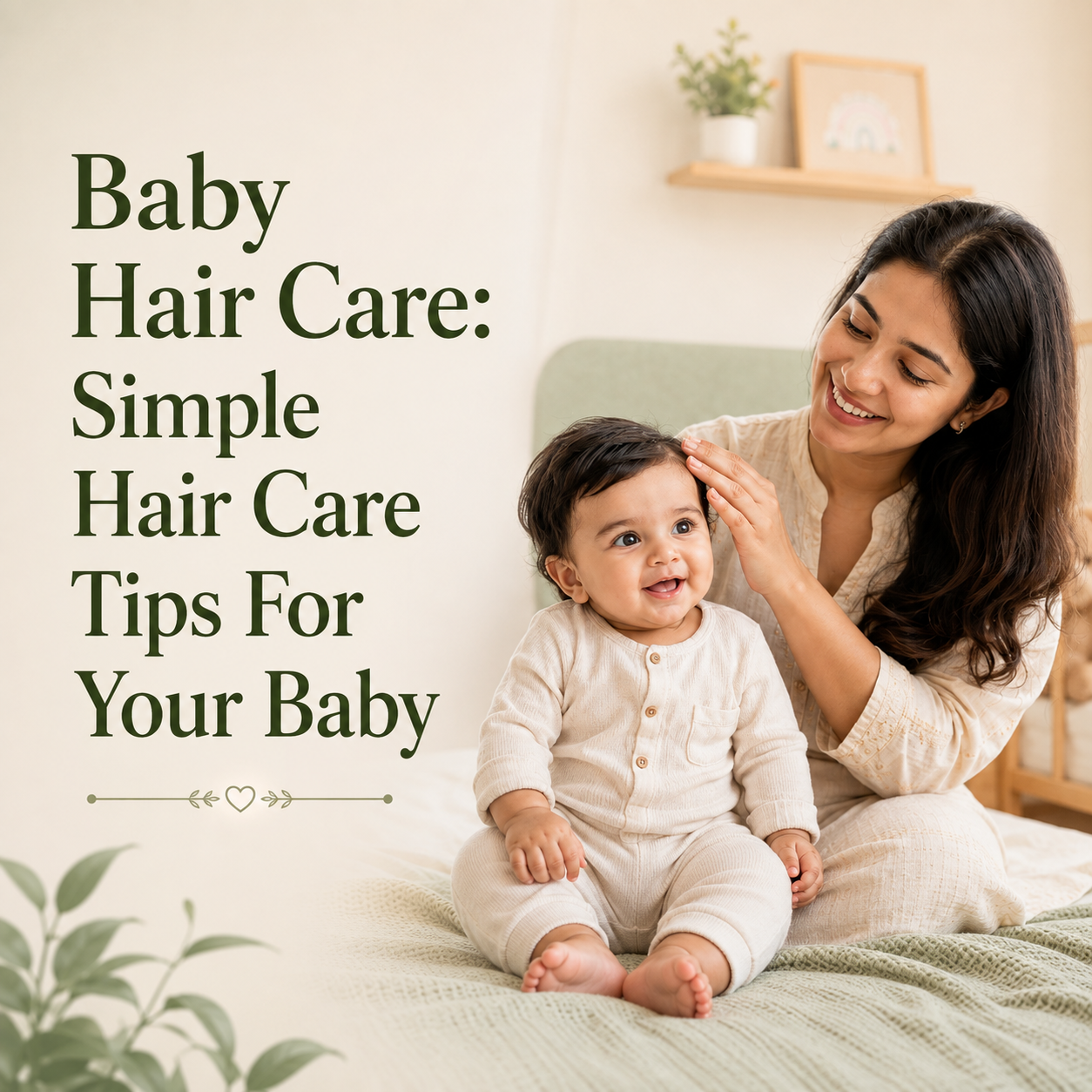

Walking into a baby clothing store for the first time can feel overwhelming. There are tiny outfits in different sizes, labels such as "0–3 months" and "6–9 months," and plenty of choices that make it difficult to know what your baby actually needs.
The good news is that your baby's wardrobe does not need to be complicated. As your baby grows, clothing needs change mainly around comfort, movement, weather, and ease of dressing. Understanding these changes can help you choose practical clothes without buying more than you need.

1. Newborn Clothing: 0–3 Months
During the first few months, your baby spends much of the day sleeping, feeding, and being held. Comfort and easy dressing should therefore be the main priorities.
Soft cotton rompers, front-open vests, bodysuits, and simple sleepsuits can be useful for everyday wear. Front-opening designs are particularly convenient because newborns need frequent diaper changes and may not enjoy having clothes pulled over their heads.
Look for soft, breathable fabrics with minimal tags, rough seams, or decorative elements that could irritate delicate skin. Clothes should fit comfortably without being too tight around the neck, waist, arms, or legs.
It is also useful to keep a few extra outfits ready because newborns can go through several clothing changes in a day.

2. Early Infancy: 3–6 Months
Between three and six months, babies usually become more active. They kick, stretch, move their arms and legs, and may begin trying to roll over.
At this stage, choose clothing that gives your baby enough room to move freely. Cotton onesies, rompers, soft separates, and comfortable tops can work well for everyday wear.
Drooling may also become more noticeable around this time, so keeping a few extra bibs and tops nearby can be helpful. Avoid clothing that is too loose or has strings and other features that could become inconvenient during movement.
As babies grow quickly during this stage, check the fit regularly rather than relying only on the age mentioned on the clothing label.

3. Sitting and Crawling: 6–9 Months
Once your baby starts sitting and crawling, their clothing needs become more focused on movement and durability. Clothes should allow the hips, knees, and arms to move comfortably.
Soft leggings, stretchable trousers, cotton tops, rompers, and comfortable dungarees can be practical options. Since babies at this stage spend more time playing on the floor, choose clothing that allows easy movement without uncomfortable buttons or hard embellishments.
You may also notice that clothes get dirty more quickly as your baby becomes more active. Having a few everyday outfits that are easy to wash can make your routine much easier.

4. Standing and Early Walking: 9–12 Months
As your baby begins pulling themselves up, standing, cruising around furniture, and taking their first steps, freedom of movement becomes even more important.
Choose lightweight clothing that does not restrict movement around the legs and knees. Comfortable trousers, leggings, shorts, dresses, and breathable tops can all work depending on the weather.
For indoor movement, babies can often benefit from being barefoot or wearing comfortable socks where appropriate. For outdoor use, parents may consider suitable footwear based on their child's stage of walking.
Because crawling and cruising can put extra pressure on the knees, durable fabrics can also be useful during this stage.

5. Toddler Clothing: 1–2 Years
Once your baby becomes a confident walker, their wardrobe may start looking more like a smaller version of an adult wardrobe. T-shirts, shorts, trousers, dresses, skirts, and comfortable everyday outfits become practical choices.
Elastic waistbands can make dressing easier and allow toddlers to move comfortably. Clothes that are simple to put on and take off can also encourage your child to gradually participate in dressing themselves.
At this stage, toddlers are constantly exploring, so comfort and durability are often more useful than complicated designs. Choose clothes that allow them to walk, run, sit, play, and move without restriction.

6. Choose Clothing According to the Season
India's climate can vary considerably, so your baby's clothing should change with the weather as well as their age.
During summer, lightweight cotton and breathable fabrics can help your baby stay comfortable. During monsoon, it is useful to keep extra dry clothes available because humidity, rain, and sudden temperature changes can make clothing damp or uncomfortable.
In winter, layers can provide warmth while allowing you to remove clothing if your baby becomes too warm. Instead of putting your baby in several heavy layers, choose comfortable clothing that can be adjusted according to the room and outdoor temperature.
Regardless of the season, avoid dressing your baby in too many layers. Checking their chest or back can help you understand whether they are comfortably warm.

7. Keep Your Baby's Wardrobe Simple and Practical
It can be tempting to buy lots of cute outfits, especially because baby clothes come in so many colours and designs. However, babies grow quickly, and some clothes may be outgrown before they are worn more than a few times.
A practical wardrobe can include a few comfortable everyday outfits, sleepwear, inner layers, seasonal clothing, socks or booties, and a few extra sets for unexpected changes.
Buying a size up occasionally can also be useful, provided the clothing is not so large that it becomes uncomfortable or unsafe. Check the fit regularly around the neck, arms, waist, and legs as your baby grows.
Vasu Healthcare's Baby Division focuses on gentle and practical everyday baby care needs, keeping the changing requirements of growing children and Indian families in mind.
Dressing your baby does not need to follow a strict formula. What matters most is choosing clothes that suit their age, allow comfortable movement, feel gentle against the skin, and work well for the season. From tiny newborn rompers to the first toddler outfits, your baby's wardrobe will keep changing — and keeping it simple can make every stage a little easier.