Starting solid foods is an exciting milestone for both babies and parents. It is also a stage when many parents start wondering about baby food allergies: signs parents should know.
Some redness around the mouth, a change in bowel movements or a bit of fussiness after eating doesn't necessarily indicate an allergy. Babies are learning to taste, smell and chew foods as well as their digestive systems are developing. But there are some reactions that need to be considered.
Knowing how to recognize when their baby has a food allergy, what foods are the most likely to cause allergies, and knowing when to seek medical assistance can give parents the confidence to wean.
Important: This article should be considered in an educational sense only and should not be seen as a replacement for a diagnosis or treatment by a paediatrician or other qualified health care professional.
 When Do Babies Start Eating Solid Foods?
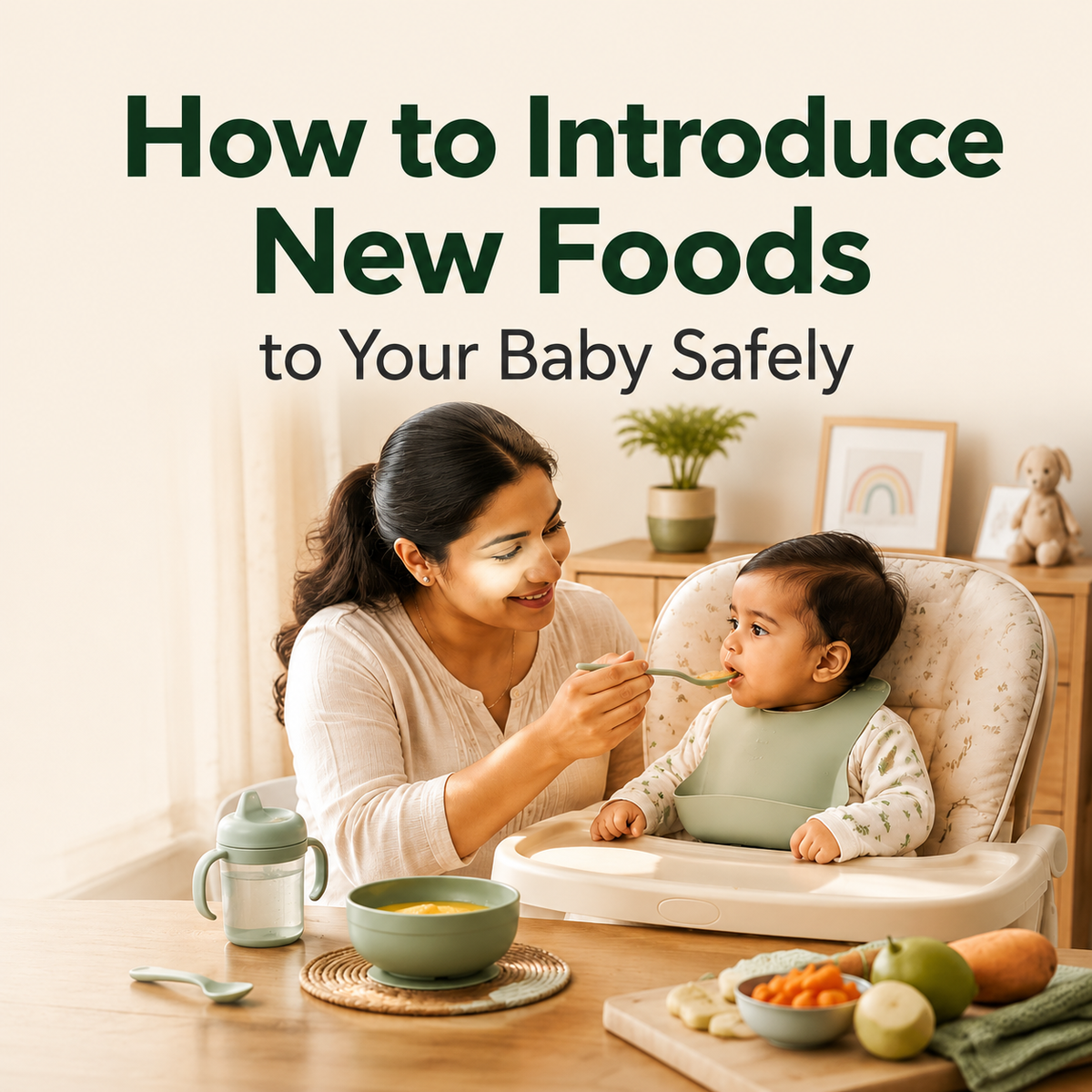
Introducing solid foods is an exciting milestone, but it can also raise questions about baby food allergies. Around 6 months, when your baby is developmentally ready to start complementary foods, parents can begin introducing age-appropriate foods while watching for any unusual reactions. Introducing new foods one at a time can make it easier to identify a possible reaction.
Knowing the common signs of food allergy in babies, when they may appear, and what to do if your baby develops a reaction can help parents approach the transition to solid foods with greater confidence.
Common Baby Food Allergy Symptoms
Symptoms of baby food allergies may be skin, stomach or respiratory. They may be mild or severe; parents should be aware of the type of symptoms and the combination of symptoms.
1. Skin Changes
Skin symptoms may include:
- Raised, itchy bumps (hives)
- Redness or itching
- Bulging of the lips, eyes or face
- Sudden skin irritation
Please note, however, that just because your baby has a rash does not necessarily mean the rash is due to a food allergy. Saliva, heat, or soaps or food may also irritate and cause redness.
2. Vomiting and Digestive Symptoms
Some babies might have:
- Vomiting
- Diarrhoea
- Stomach discomfort
- Abdominal cramps
- Difficulty swallowing
If your child spits up once or has loose stools, it does not mean that your child is allergic! If the same symptoms come back after eating the same food again, talk to your child's health care provider.
American Academy of Pediatrics food allergy guidance
3. Coughing or Breathing Difficulty
It is important for respiratory symptoms to be taken into account. These may include:
- Persistent coughing
- Wheezing
- Difficulty breathing
- Throat tightness
- Enlarged mouth or throat.
If your baby has trouble breathing or he or she gets a lot of swelling after feeding, go straight to the emergency room.
4. Sudden Behaviour Changes
Babies can't tell you how they feel, so they might do so with sudden crying, unusual irritability or weakness/ changes in their normal behaviour.
Signs don't indicate a food allergy. When they occur in conjunction with symptoms like hives, swelling, vomiting or difficulty breathing, however, parents should seek medical advice.
 Common Food Allergens for Babies
Certain foods are more likely to trigger allergic reactions than others. These include:
- Eggs
- Milk and dairy
- Peanuts
- Tree nuts
- Wheat
- Soy
- Sesame
- Fish
- Shellfish
These are the nine foods which the FDA recognizes as major food allergens.
Don't rule out any potential allergen. Current guidance is to introduce developmentally appropriate allergenic foods at the time of baby's readiness for complementary foods. Peanut may need to be introduced to babies with severe eczema or a known egg allergy if necessary, with personalised advice from a healthcare professional.
CDC guidance on introducing allergenic foods
 How to Introduce New Foods Safely
Adding food to the diet doesn't always need to be a complicated process. Simple tips can help keep parents organised.
Use age appropriate foods: Select the right texture and amount that is appropriate for your baby's age.
Offer food wisely: When introducing one food at a time it will be easier to find a possible trigger.
Watch your baby: Note abnormal feeding postures.
Maintain a food diary: Record the food, quantity (estimation) and signs that occur.
Take care of choking risks: Whole nuts and some hard or round foods should not be served in this way. Preparing food should be based on your baby's age and capabilities.
For more information, parents can refer to the American Academy of Pediatrics guide to introducing common allergens.
 What Should Parents Do After an Allergic Reaction?
If your baby has a possible allergic reaction to something they eat, discontinue the food and record what it was.
Record:
- The food that your baby consumed.
- How much was eaten? (Rounded to the nearest centimetre)
- At the onset of the symptoms
- What symptoms developed
- Duration of symptoms
Seek paediatric advice if symptoms are recurring or are more noticeable, especially.
Seek emergency medical attention if your baby begins to breathe rapidly, to have a lot of swelling, is very weak or passes out. A serious allergic reaction may be life threatening.
American Academy of Pediatrics food allergy symptoms
Don't purposefully feed the suspected food again after a large reaction, unless the healthcare professional says it is okay.

Food Allergy vs Food Intolerance: Are They the Same?
Food allergy and food intolerance are two different things.
A food allergy is a reaction which comes from the immune system and a food intolerance is not. They may have similar symptoms; parents should not self-diagnose.
Talk to your paediatrician if your baby is getting digestion problems or other symptoms after feeding a specific food frequently. A healthcare professional can evaluate the signs and symptoms and make the necessary recommendations.
 Baby Food Allergies: Signs Parents Should Know
Parents should be informed about baby food allergies: signs to watch for, so they can better prepare themselves for new food.
Don't assume that it is an allergy if you have a rash and many things can cause one digestive upset. It is important to watch your baby's general reaction and be alert to any unusual or serious symptoms.
Feed in an age appropriate fashion, make sure that the foods are safe to eat, be aware of possible reactions and consult your paediatrician if you have any concerns.
The most important thing to remember with this is that parents can't fear every new food. You can add new flavors to your baby's life, with good precautions, if you have the right information.
Frequently Asked Questions
1. What are the signs of food allergy in babies?
Common signs may include hives, swelling, vomiting, diarrhoea, coughing, wheezing and breathing difficulties. Symptoms can vary from one baby to another.
2. Is redness around the baby's mouth always a food allergy?
No. Contact with food, saliva and other forms of skin irritation can cause redness around the mouth. However, if redness is accompanied by hives, swelling, vomiting or breathing problems, seek medical advice.
3. What are common food allergens for babies?
Common allergens include eggs, milk, peanuts, tree nuts, wheat, soy, sesame, fish and shellfish.
4. Should parents avoid allergenic foods when starting solids?
Not necessarily. Appropriate allergenic foods can generally be introduced when babies are developmentally ready. Babies with severe eczema or an existing egg allergy may need individual medical advice before introducing certain allergens.
5. What should I do if my baby has difficulty breathing after eating?
Difficulty breathing following food exposure may indicate a serious allergic reaction. Seek emergency medical care immediately.
6. Can food allergies be diagnosed at home?
Parents should not try to diagnose a food allergy themselves. If your baby repeatedly develops symptoms after eating a particular food, consult a paediatrician for proper evaluation.