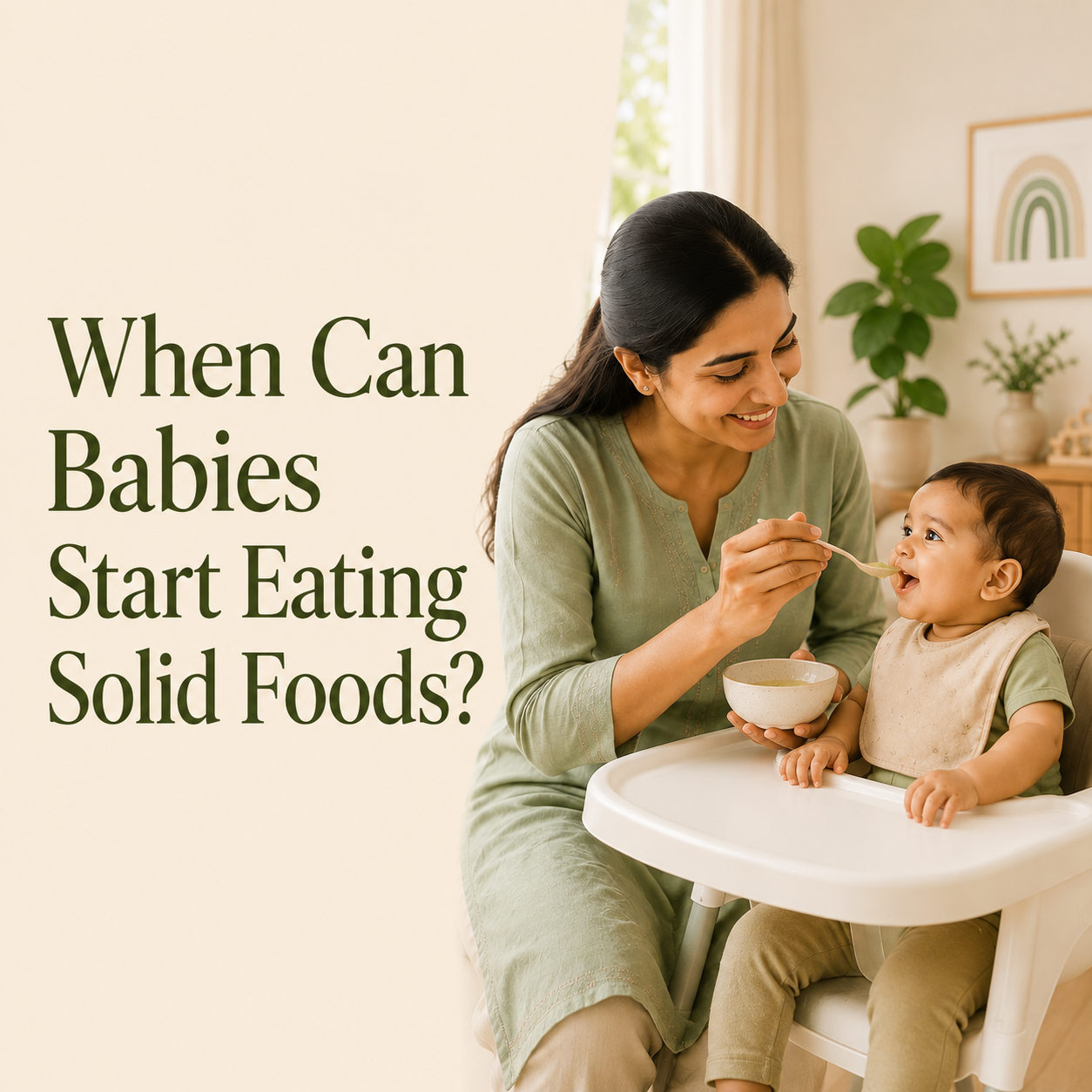

It can be thrilling and mildly stressful to watch your baby make his or her first attempt at eating a food. When you're looking for finger foods for babies, it's only natural that you'd want to know what is safe, what size it should be, and if your baby is ready to eat them.
Fortunately, first foods don't have to be fancy. When a baby is exploring different textures, soft, age-appropriate foods can be used to help him get used to self-feeding. Once a child is developmentally ready for complementary foods (around 6 months of age), parents can start to offer a range of tastes and textures in addition to breastfeeding or infant formula.
It's all about the soft food, appropriate size, supervision and patience.

When Can Babies Start Finger Foods?
Ready for complementary foods is more important than the baby's age – many babies are ready at around 6 months. Your baby should be sitting up well with good head control and interested in the food, and also be able to reach towards their mouth.
As your baby begins to eat foods, give foods that are soft and easy to chew. The NHS suggests pieces that are big enough for your baby to fit in their fist and some of the food protruding so they can take it to their mouth.
There's no need to pick between spoon feed and finger feeding. Many families have a mixture of mashed foods and finger foods depending on what is comfortable for their baby.
For more information, parents can read this guide to starting solid foods around 6 months.

Best Finger Foods for Babies Starting Solids
Foods that are easy to hold and soft to manage are the best options.
1. Soft Cooked Vegetables
Vegetables are a practical place to start when introducing safe finger foods for babies.
Try:
-
Steamed broccoli florets
-
Soft-cooked carrot sticks
-
Sweet potato wedges
-
Cooked cauliflower
-
Soft pumpkin pieces
-
Well-cooked potato
Cook until vegetables are soft and not crunchy. For instance, the vegetable broccoli can be cooked until tender and then served hot.
2. Soft Fruits
Ripe fruits can be a great easy-to-eat finger food for babies as many of them have a soft texture.
Good options include:
-
Banana strips
-
Ripe pear slices
-
Soft mango pieces
-
Avocado slices
-
Soft peach
-
Melon pieces
Drain, peel, pit and remove any hard skins before eating. Some hard fruits like apples might require some cooking before they can be given to a young baby.
3. Soft Grains and Starchy Foods
You can also use appropriate family foods for babies in an appropriate form.
Some parents may choose to look at the following options:
-
Soft chapati strips
-
Toast fingers
-
Well-cooked pasta
-
Soft potato
-
Sweet potato
-
Soft rice-based foods
Don't add extra salt or sugar to baby's food. There is no need to add sugar to babies' food and foods with a lot of salt are not recommended for them.
4. Protein-Rich Finger Foods
Once your baby starts to get used to various textures, protein foods can be introduced when they are ready.
Examples include:
-
Well-cooked egg pieces
-
Boneless chicken, boneless strips of chicken that have been wrapped in soft material.
-
All bones thoroughly removed from the flaked fish.
-
Edible beans or lentils added to appropriate foods
Aim to gradually introduce foods and serve a mix of food groups, rather than using a single food type.

How to Prepare Safe Finger Foods for Babies
The food preparation is as important as the food itself.
It is handy to consider size, shape and texture. Foods that are hard, round and sticky or difficult to chew can contribute to choking.
Before serving:
-
Wash hands, clean preparation surfaces.
-
Rinse fruits and veggies.
-
Cook vegetables and fruits that are hard to eat.
-
Remove bones, seeds, pits and tough skins.
-
Offer food in small chunks that are bite sized. .
-
Let hot food cool before serving.
-
Keep your baby seated upright while eating.
-
Stay close and watch your baby throughout the meal.
For additional guidance, see these baby feeding and choking safety recommendations.
Foods to Avoid When Starting Finger Foods
Not every food that looks small and convenient is suitable for a baby.
Avoid offering hard foods such as whole nuts or raw carrot and apple pieces to young babies. Whole nuts are a choking hazard for young children. If nut products are introduced, they need to be prepared in an appropriate form and introduced carefully.
Honey should also not be given before 6 months because of the risk of infant botulism. Added salt and sugary foods should be avoided as well.
Parents should also be careful with foods that are round, hard, sticky or difficult to chew.
Read this guide to foods babies should avoid before building your baby's first-food menu.
Finger Foods and Baby Self-Feeding
Self-feeding can be messy. You may find food on the high chair, floor, baby's clothes and possibly even in their hair. That is completely normal.
Finger foods give babies an opportunity to touch, smell, pick up and explore food. They can also help babies become familiar with different textures and practise hand-eye coordination.
Do not worry if your baby eats only a small amount initially. At the beginning, the experience of exploring food is also part of learning.
Breast milk or first infant formula remains an important source of nutrition during the early stages of complementary feeding, so finger foods are introduced alongside milk feeds rather than as an immediate replacement.

Where Does Vasu Swarnaprashan Fit In?
Parents sometimes look for additional products when they begin building a baby's overall care routine. Vasu Swarnaprashan Drops are an Ayurvedic product for children, but they are separate from the process of introducing finger foods.
They should not be considered a finger food, mixed into meals, or used as a replacement for a balanced diet. If you are considering an Ayurvedic product for your child, read the product directions carefully and speak with your pediatrician or a qualified healthcare professional, particularly for infants and young children. You can view the Vasu Swarnaprashan product information for the manufacturer's directions and product details.
This distinction is important: food introduction and supplementary products are two different parts of a baby's care routine.

Common Mistakes Parents Make With Baby Finger Foods
Starting solids can feel like there are a hundred rules to remember. Try not to overcomplicate it.
Some common mistakes include:
-
Providing items that are too hard to chew.
-
Serving very small, round chunks of food.
-
Providing foods when the baby is lying down or moving.
-
Allowing the baby to be left unsupervised during meals.
-
To enhance the taste of food with salt or sugar.
-
Avoiding the baby is to consume a certain amount.
-
Providing only smooth purées for too long without being able to gradually add the right textures.
If your baby is not very interested in one texture, you can take a break and go back to that texture later. Babies may require more than one exposure to a new food.
Final Thoughts on Finger Foods for Babies
Don't be concerned that the introduction of finger food will be flawless from the beginning. Whether it's a soft banana or a steamed vegetable or a small portion of a well cooked food, a soft texture can be a fun part of your baby's learning and new taste adventure.
Emphasize foods appropriate for age, their safe preparation and close supervision. Allow your baby to take the time needed to explore and keep in mind that messy meals are a part of learning.
If this guide was helpful, comment on it and leave another parent who is starting to introduce solids a complementary message with your baby's most loved finger food, and read more of Vasu's practical baby-care articles.
FAQ: Finger Foods for Babies
1. What are the best first finger foods for babies?
Soft-cooked vegetables, ripe banana, avocado, soft pear, sweet potato, well-cooked pasta and appropriately prepared egg are some simple options. The food should be soft and easy for your baby to grasp.
2. Can a 6-month-old eat finger foods?
Around 6 months of age, 2 Many babies can start complementary foods when they are ready. Use soft foods and supervise thoroughly at all dinners.
3. How big should finger foods be for babies?
The pieces should be large enough to put in a baby's fist, but not so big that they can't be held in one hand, and larger than the baby's hand for young babies who are just beginning to feed themselves. The food should also be soft to break down easily.
4. Are bananas safe as finger foods for babies?
Soft banana can make a nice baby finger food, if ready at 4 ripe stages. Divide into bite-size pieces and feed your baby under supervision.
5. What foods should babies avoid as finger foods?
Avoid hard foods such as whole nuts and raw hard pieces of carrot or apple. Honey should not be given before 12 months. Foods high in salt and added sugar should also be avoided.
6. Is gagging the same as choking?
Gagging can be a problem when babies are learning how to handle new textures, or choking may be caused by clogging of the airway. Age-appropriate choking first aid and close supervision of babies while eating should be taught to parents.