
Vegetarians often worry about getting enough protein-rich food in their diet. In reality, a varied plant-based diet can easily meet protein needs while providing fiber, vitamins, and minerals. This post covers the best protein-rich food sources for vegetarians (excluding meat and eggs, but including dairy), explains daily protein needs, and gives practical meal tips.

Protein is essential for building muscles, repairing tissues, and supporting overall health. It is recommended that about 0.66–0.83 grams of protein per kilogram of body weight be consumed or healthy adults. For example, a 60 kg person needs roughly 40–50 g of protein daily. Since most plant proteins are incomplete (missing some amino acids), vegetarians must eat a variety of protein-rich food sources each day. As one nutrition guide explains, “enjoy a variety of plant-based proteins throughout the day” to get all essential amino acids. Likewise, a nutritionist notes that eating different types of vegetables rich in protein ensures you obtain every amino acid needed for growth and repair.

Daily Protein Requirements
-
Adults: Aim for ~0.8 g protein per kg body weight (ICMR recommends 0.66–0.83 g/kg).
-
Children/Teens: Higher per kg, since growing bodies need more protein relative to weight.
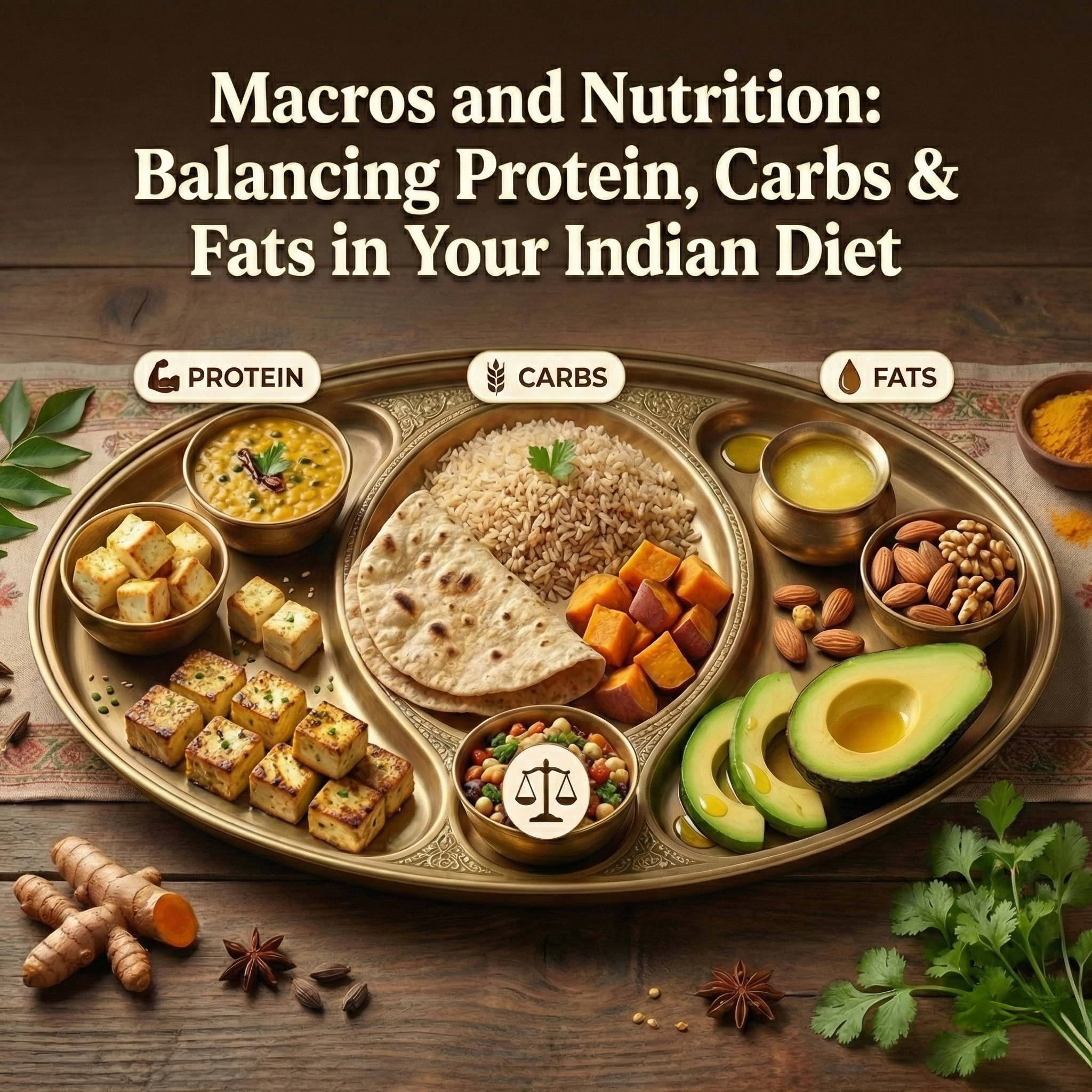
Meeting these targets on a vegetarian diet is straightforward when you include high-protein foods and dairy. For instance, one cup of cooked lentils offers around 18 g of protein, while 100 g of paneer contains approximately 18 g. By combining these foods throughout the day, you can easily reach 45–50 g.

Top Vegetarian Protein Sources
Here are the most protein-rich vegetarian food options to include in meals and snacks.
Legumes (Lentils, Beans, Chickpeas):
Lentils (dal) – Staple in Indian diets, with about 18 g of protein per cooked cup. This is one of the most affordable foods that has high protein in India.
Chickpeas (chana) – About 15 gof protein per cooked cup. Versatile in curries, salads, or hummus. High in fiber and minerals.
Kidney Beans (Rajma) – Roughly 15 g of protein per cup. Often served with rice (making a complete protein meal).
Black-Eyed Peas (Lobia) – ~13 g protein per cup. Easy to digest, can be made into curries or stews.
Soy Products:
Soybeans – A legume with ~28 g protein per cup, one of the richest plant proteins. Use as cooked beans or roasted.
Tofu – Made from soy milk, gives about 8–10 g of protein per 100 g. Swap for paneer or meat in stir-fries and curries for a quick protein-rich food alternative.
Tempeh – Fermented soy; ~19 g protein per 100 g. Dense, nutty, and easy to digest. Excellent grilled or in salads.
Wheat and Grain Proteins:
Seitan (Wheat Gluten) – ~21 g protein per 100 g. Very chewy, often used as a vegetarian “mock meat”.
Quinoa – A grain that is a complete protein (contains all 9 amino acids), providing about 8 g of protein per cooked cup.
Buckwheat and Amaranth – Similar to quinoa, they contain all the amino acids. For example, amaranth provides a complete protein source (along with quinoa and hemp seeds).
Dairy & Egg-Free Proteins: (Included for lacto-vegetarians)
Paneer (Indian cottage cheese) – ~18 g protein per 100 g. Used in curries (palak paneer, paneer tikka) or salads. Provides calcium and phosphorus.
Greek Yogurt / Hung Curd – Thick yogurt contains about 10 g of protein in each serving. Double the protein of regular yogurt, especially when non-fat. Eat fruits or use them in smoothies.
Milk – ~8 g protein per 250 ml glass. Easy way to boost intake. (Tip: Use plant milks like soy milk for ~6–8 g protein/glass, though cow’s milk has slightly more.)
Nuts and Seeds:
Peanuts – ~7–8 g per 2 tbsp (peanut butter). Rich in healthy fats and fiber. Snack on them or add peanut butter to smoothies/oatmeal.
Almonds, Walnuts, and Pistachios – About 5–6 g of protein for every 30 g. Also high in vitamins and healthy fats (use as snacks or in muesli).
Pumpkin Seeds – ~7 g protein per 30 g. Add to salads or roast for a snack. Rich in zinc and iron.
Chia/Flax/Hemp Seeds – 5–7 g protein per 30 g. Sprinkle on yogurt or cereal. Hemp seeds are nearly a complete protein.
Vegetables & Other Sources:
Green Peas – ~8 g protein per cup. More than most veggies. Good in pulao, soups, or as a side. Also high in fiber and vitamins.
Spinach, Broccoli – While lower in protein (2–3 g per cup), these veggies add nutrition and make meals more filling.
Spirulina – A blue-green algae (dried form) with ~4 g of protein per tablespoon. It can be included in smoothies for an extra boost.
Each of these foods brings not just protein but also fiber, minerals (iron, zinc, calcium), and vitamins, making them nutritious staples. As one guide notes, “different foods have different amino acid profiles, and mixing them up ensures you get complete nutrition”. For example, pairing dal (legumes) with rice (grains) or yogurt (dairy) provides all essential amino acids.

Combining Foods for Complete Proteins
To get complete protein (all essential amino acids), vegetarians can combine complementary foods or eat inherently complete sources:
-
Legume + Grain: Classic combo like dal (lentils) + rice or rajma + chawal, makes a complete protein meal.
-
Legume + Dairy/Nuts: e.g., chickpeas in yogurt curry, or dal with a side of cottage cheese.
-
Complete Plant Foods: Include soy and quinoa regularly, since they already contain all amino acids.
-
Diverse Diet: Following a varied diet (fruits, vegetables, legumes, grains, and high protein foods vegetarian) throughout the day naturally covers gaps.

Tips for a High-Protein Vegetarian Diet
-
Eat Protein at Every Meal: Plan breakfasts (e.g., Greek yogurt bowl, peanut butter toast), lunches (dal + rice, tofu curry), and dinners (chickpea stew, paneer wrap) around protein foods.
-
Snack Smart: Keep protein-rich food handy like roasted chana, cheese cubes, or a protein smoothie for quick boosts.
-
Focus on Quality: Include protein-rich dairy like milk and yogurt (if you consume dairy). Non-fat Greek yogurt and low-fat paneer pack protein with less saturated fat.
-
Avoid Over-Reliance: Don’t eat just one item (like only paneer). Variety prevents deficiencies; as one dietitian notes, a diverse diet ensures all micronutrients.
Stay Within Calories: Some high-protein veg foods (nuts, paneer) are also calorie-rich. Balance them with vegetables and whole grains to meet overall needs without excess calories.
FAQs
Q: Can vegetarians get enough protein without meat?
A: Absolutely. By eating a variety of plant proteins (legumes, grains, nuts) and dairy, vegetarians easily meet protein needs. For example, combining dal with rice or including Greek yogurt and nuts provides a complete amino acid profile.
Q: What are some complete protein foods for vegetarians?
A: Foods that contain all essential amino acids include dairy products (milk, Greek yogurt, paneer), and certain plants like soy (tofu, tempeh) and quinoa. You can also combine beans with grains (dal + rice) to form a complete protein.
Q: How much paneer or dal should I eat to meet my protein goal?
A: Paneer has ~18 g of protein per 100 g, and cooked lentils have ~18 g per cup. A meal of 100 g paneer + 1 cup lentils + yogurt easily provides 45–50 g of protein. Adjust portions based on your weight and goals.
Q: Are nuts and seeds good protein sources?
A: Yes. For instance, pumpkin seeds offer ~7 g of protein per 30 g, and peanuts ~7–8 g per 2 tbsp. They also supply healthy fats and minerals. Add them to your diet in moderation (a small handful daily).
Q: Do I need protein supplements as a vegetarian?
A: Not if your diet is balanced. As experts advise, focus on whole foods (pulses, nuts, dairy) to meet protein needs. Supplements (like whey or soy protein powders) are generally unnecessary unless you have very high requirements or a limited diet.