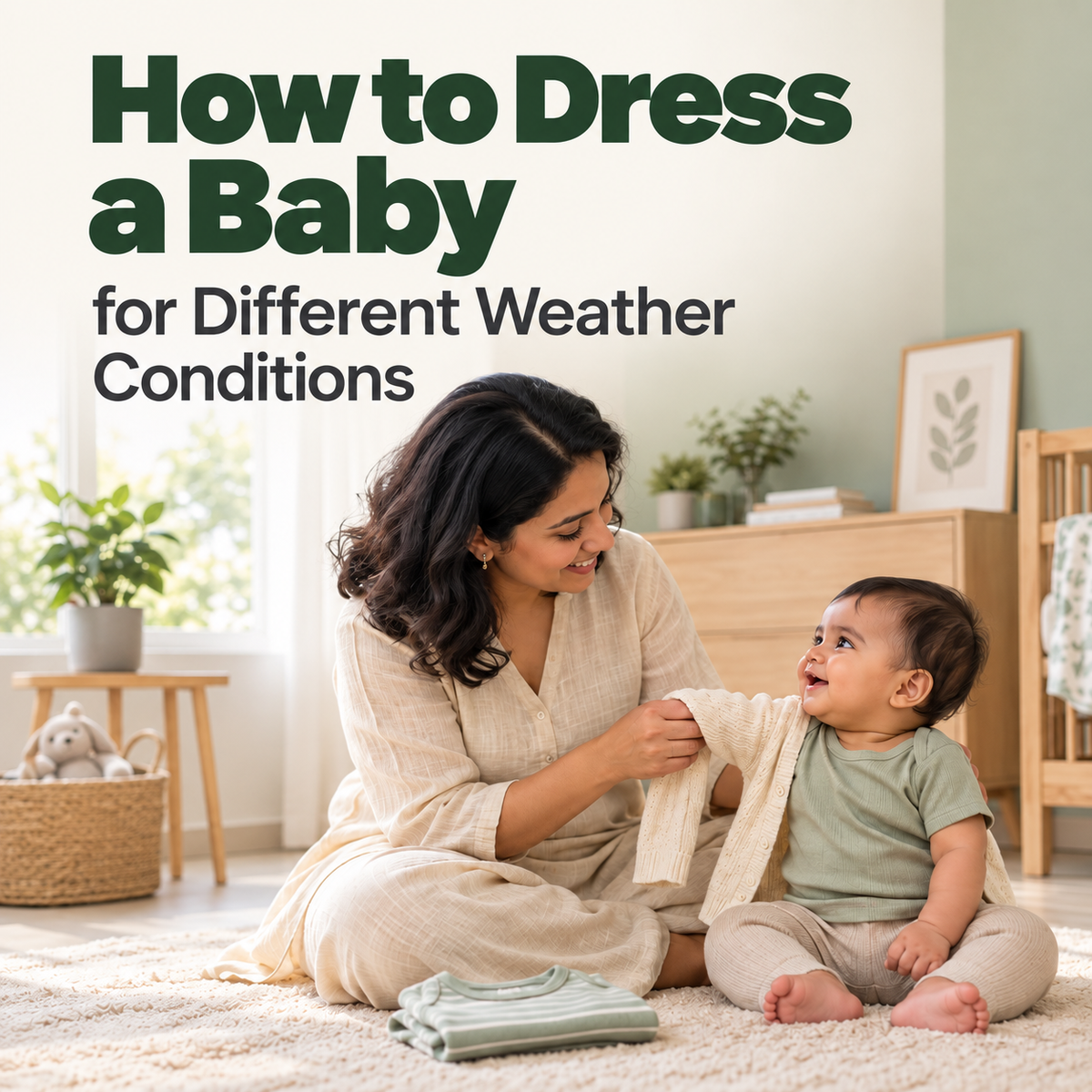
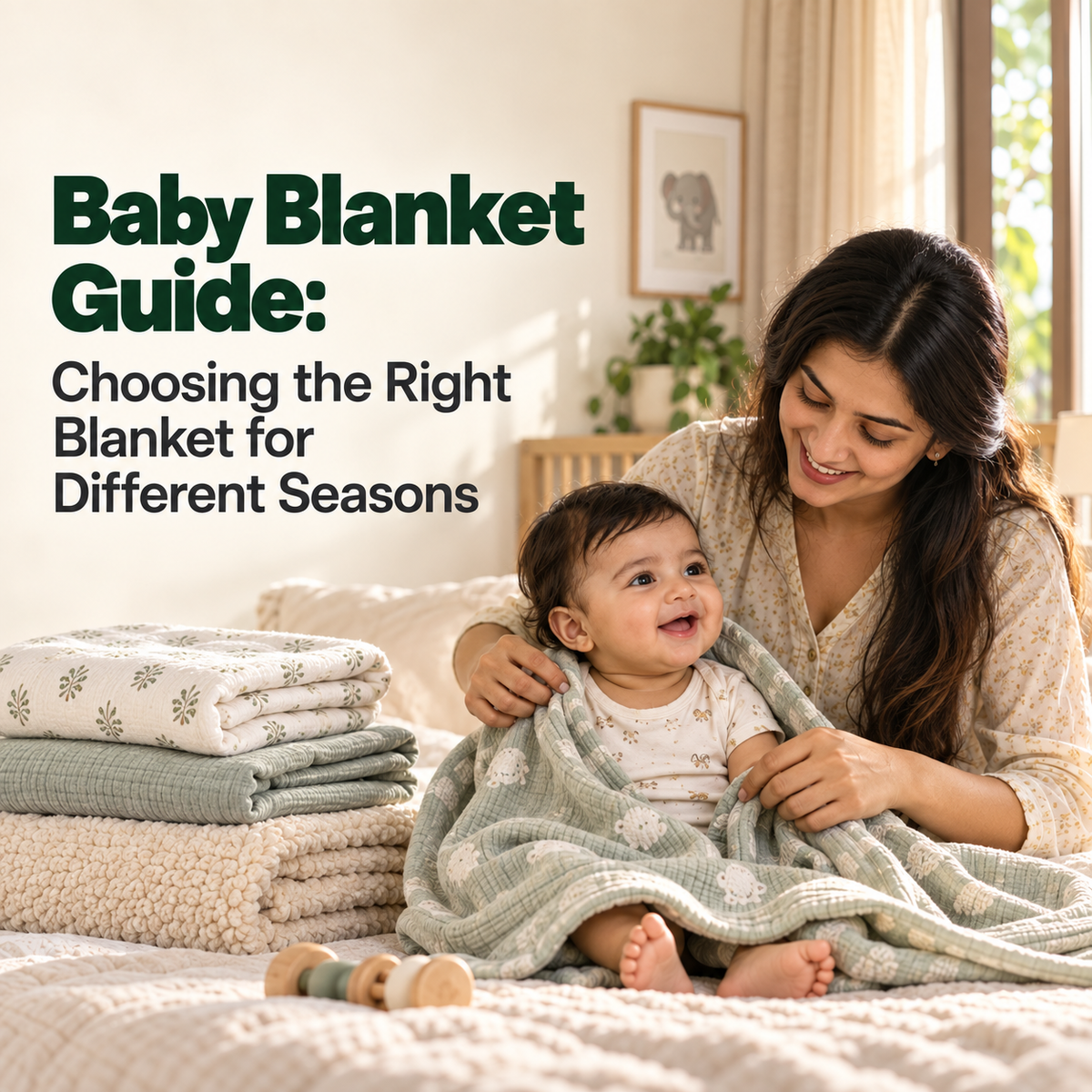
Entering a baby clothing store for the first time can be an overwhelming experience. There are tiny outfits in various sizes, labels such as “0-3 months” and “6-9 months” and so many choices that it is hard to know what your baby really needs.
The good news is that you don’t need a complicated wardrobe for your baby. As your baby grows, his clothing needs will change, primarily in the areas of comfort, freedom of movement, weather and ease of dressing. Learning about these changes will help you to make practical choices about clothes without buying more than you need.
 1. Newborn Clothing: 0–3 Months
Your baby will spend a lot of the day sleeping, feeding and being held in those first few months. Therefore, the main priorities are comfort and ease of dressing.
Soft cotton rompers, front-open vests, bodysuits and simple sleepsuits can be handy for everyday wear. Front-opening styles are especially convenient since newborns need their diapers changed often and may not be comfortable with having clothing pulled over their heads.
Choose breathable fabrics that are soft with few tags, rough seams or decorative elements that may irritate delicate skin. “Clothes should be well fitting, but not too tight around the neck, waist, arms or legs.
It’s also a good idea to have a few extra outfits on hand, as newborns can go thru several clothing changes in a day.

2. Early Infancy: 3–6 Months
Between three and six months, babies tend to become more active. They kick stretch and move their arms and legs around and may even start to try and roll over.
At this point, pick out clothes that give your baby plenty of room to move around in. Cotton onesies, rompers, soft separates and comfy tops can all be great for everyday wear.
This is also a time when drooling can increase so some extra bibs and tops nearby can be useful. Avoid clothes that are too loose or have strings and other features that could get in the way when you are moving.
Babies grow quickly at this stage, so don't just go by the age on the clothing label – keep checking the fit.
 3. Sitting and Crawling: 6–9 Months
Once your child achieves the ability to sit and crawl, you will have to think about buying them clothes that is going to let them move easily like stretchy leggings, trousers made of soft materials, tops made of cotton, rompers, and dungarees. The key is to allow free movement of the hips, legs, and arms.
Besides, at this age, children are dirty little angels, so you need to buy them some clothes that you will not mind getting dirty. You will also find that having more than one set of everyday clothes helps you in keeping up with the mess.
 4. Standing and Early Walking: 9–12 Months
As your baby begins to pull himself or herself up, stand, cruise around furniture and take their first steps, freedom of movement becomes critically important.
Light clothes are recommended in order to avoid any restriction of movement around the legs and knees. Comfortable trousers, leggings, shorts, dresses, and airy tops are great choices depending on the season.
Bare feet are usually preferable for indoor activities, but sometimes wool socks may be needed for warmth and comfort. Sturdy shoes may be necessary for the outdoors depending on the stage the toddler has reached in terms of walking and overall motor skills.
Durability of the fabric is also something to consider due to the additional strain crawling and cruising put on the knees.
 5. Toddler Clothing: 1–2 Years
Once a toddler achieves the status of a confident walker, the child’s wardrobe can be simplified since the child will be able to wear many clothes typical for older people. For example, T-shirts, shorts, pants, dresses, skirts, and other comfortable clothes.
Elastic waistbands allow little ones to get dressed and undressed easily. In addition, clothes that can be quickly put on and taken off contribute to toddlers learning to dress themselves.
Since toddlers are very curious by nature, they tend to examine almost everything. Hence, the clothing should allow them to move comfortably and resist wear and tear.
 6. Choose Clothing According to the Season
India’s climate can be very different throughout the year, so your baby’s clothing should be too.
Lightweight cotton or other breathable fabrics are perfect for the hot summer days. For the rainy monsoon season, having an extra set of dry clothes can be helpful. The warm, rainy weather can leave clothes damp and uncomfortable.
For the cold winter months, it is important to keep your baby warm by dressing them in layers, but make sure not to overwhelm them with too many layers of clothing
Instead, go with something that makes them feel comfortable but can be removed once they start to feel too warm. This can also depend on the temperature of the room you are in as well as the outside temperature.
No matter what season it is, do not over-dress your baby
You can check if they are warm enough by touching their chest or back.
 7. Keep Your Baby's Wardrobe Simple and Practical
It can indeed be tempting to buy a ton of cute clothes, because baby wearables come in all shapes, sizes and colors. But, babies tend to grow out of things very quickly, and some may only get worn a couple of times.
Your everyday wearables can consist of a couple of comfortable outfits, sleepwear, undershirts, seasonal wear, socks or booties, and a couple of extras for when a sudden mishap calls for a wardrobe change.
Bigger sizes bought sporadically can also be handy, and not too tight so as not to impede development or cause discomfort, making sure to check the fit as the baby grows every now and then around the neck, arms, waist, and legs.
Vasu Healthcare’s Baby Division aims to fulfill the basic gentle everyday needs of the growing little one, while taking into consideration the various requirements of the growing child and Indian families.
When it comes to dressing your little one, there is no hard and fast rule on what works and what doesn’t. Comfort, softness, and ease of movement in relation to the seasons are what should guide you when buying clothes. From newborn rompers to toddler wear, your baby’s wardrobe will continue to evolve, so why not keep it simple?
Frequently Asked Questions
1. What clothes does a newborn baby need?
Newborn baby clothes should be soft, breathable and easy to put on and take off. Cotton rompers, front-open vests, bodysuits, sleepsuits and a few extra outfits are practical choices for everyday use.
2. How do I choose baby clothes by age?
When choosing baby clothes by age, consider your baby’s size, development, activity level and the season. Clothes should allow comfortable movement without being too tight or overly loose.
3. What clothes should a 3–6 month old baby wear?
For baby clothes 3–6 months, choose comfortable cotton onesies, rompers, soft tops and separates that allow plenty of room for kicking, stretching and movement.
4. What should babies wear in summer and winter?
For baby clothes for summer, lightweight and breathable fabrics such as cotton are generally comfortable. For baby clothes for winter, use suitable layers that can be added or removed according to the temperature.
5. How many clothes does a baby need at each age?
There is no fixed number of baby clothes by age. A practical wardrobe can include everyday outfits, sleepwear, seasonal clothing, socks or booties and a few extra sets for unexpected spills and changes.